
Soil Health and Food Sustainability to Empower Community
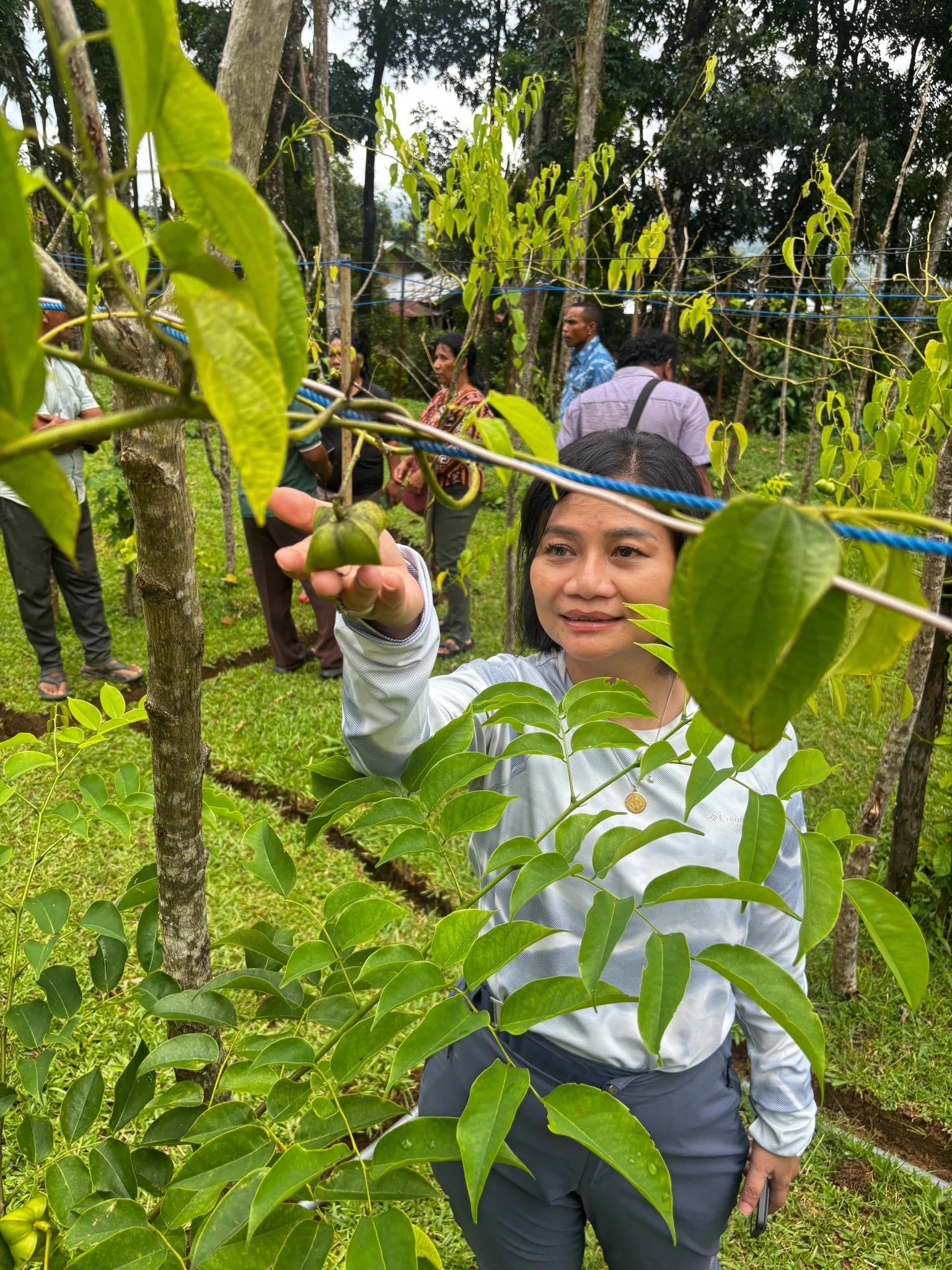
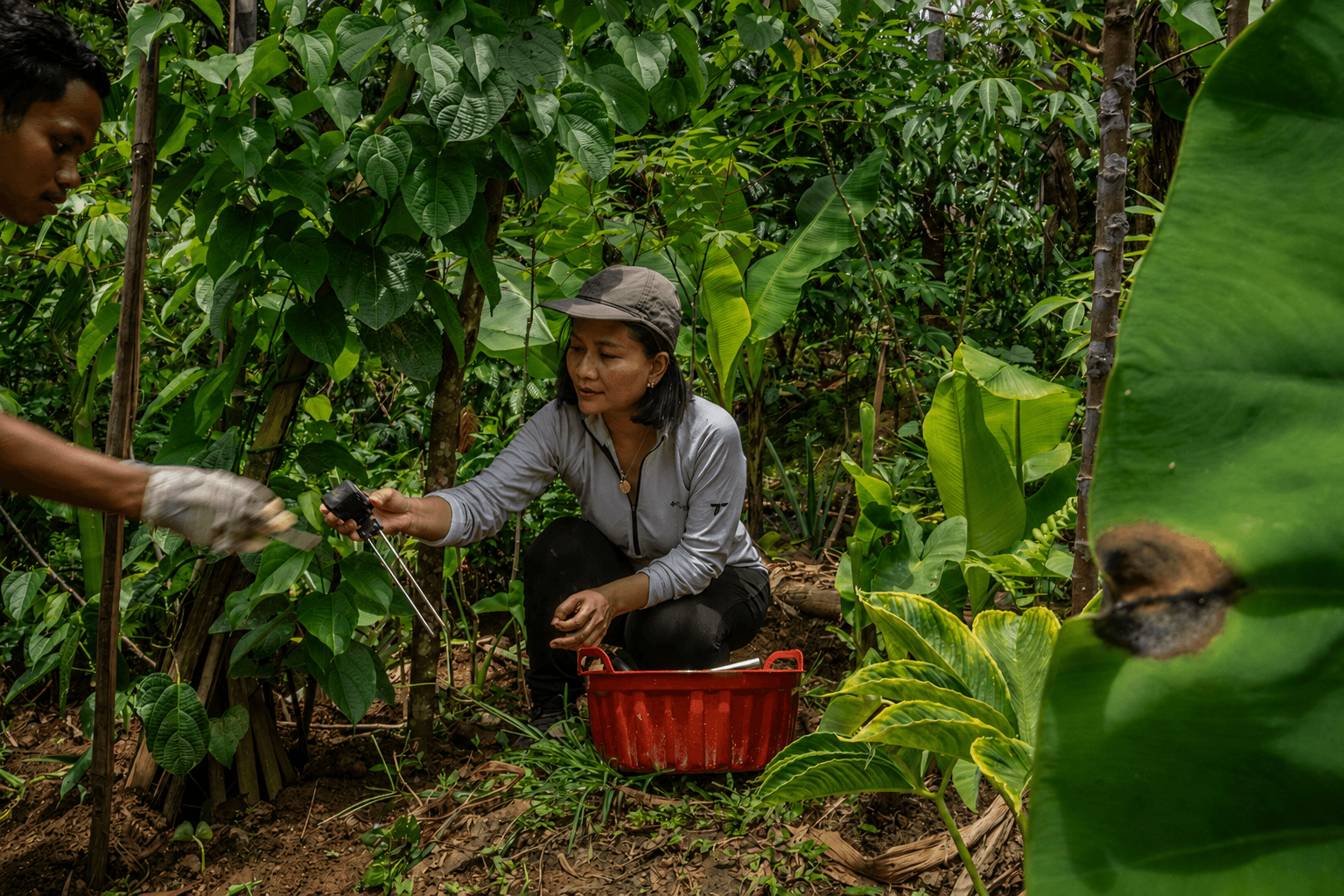
Labuan Bajo,West Manggarai Regency, East Nusa TenggaraHealthy soil is the foundation of sustainable agriculture, driving plant growth, resilience, and long-term productivity. This program combines metagenomic soil analysis with an AI-powered system to better understand and restore soil health. By analyzing soil DNA, we identify key microbial communities responsible for nutrient cycling and ecosystem balance, and translate these insights into simple, actionable recommendations that farmers can easily apply.
Integrated with regenerative practices such as intercropping sacha inchi and the use of organic fertilizers, this approach enables farmers to move from intuition-based to data-driven decision-making. As a result, they can improve soil quality, increase productivity, and build more resilient and sustainable farming systems.
This work is funded through a grant from the National Geographic Society, a non-profit organization, and is part of the Food for Tomorrow initiative—a collaboration between the Society and PepsiCo focused on inspiring positive change in the global food system, particularly through regenerative agriculture.

Of global soil is degraded
Today, over 33% of the world’s soils are moderately to highly degraded (Food and Agriculture Organization). Each year, we lose approximately 24 billion tons of fertile topsoil, primarily due to unsustainable agricultural practices such as prolonged monocropping, excessive chemical use, and the accelerating impacts of climate change. This matters because 95% of our food depends on soil. When soil health declines, crop yields fall, food prices rise, and ultimately, hunger becomes a real and growing threat to humanity.
Beneath our feet lies a complex living ecosystem—billions of microorganisms forming the soil microbiome, functioning much like human DNA. Through modern techniques such as metabarcoding, we can now better understand what soil truly needs to regenerate and thrive. This is where regenerative agriculture becomes critical.
By restoring organic matter, reducing chemical inputs, and reintroducing biodiversity, we can rebuild topsoil and bring life back to degraded land. Our approach goes a step further. We integrate Sacha Inchi, a resilient, nutrient-rich vine native to dry and degraded environments.
In regions like Labuan Bajo and surrounding areas, stunting rates remain above the national average in Indonesia (UNICEF). Chronic malnutrition not only affects physical growth but also cognitive development and long-term economic potential.
By cultivating Sacha Inchi, we create a dual impact:
01 - Restoring soil health
02 - Providing nutrient-dense food
03 - Income for local communities
This means healthier land, healthier children, and more resilient livelihoods. Because beyond the beauty of Labuan Bajo, we believe the community should thrive as we.
A step-by-step journey of our regenerative agriculture project
March
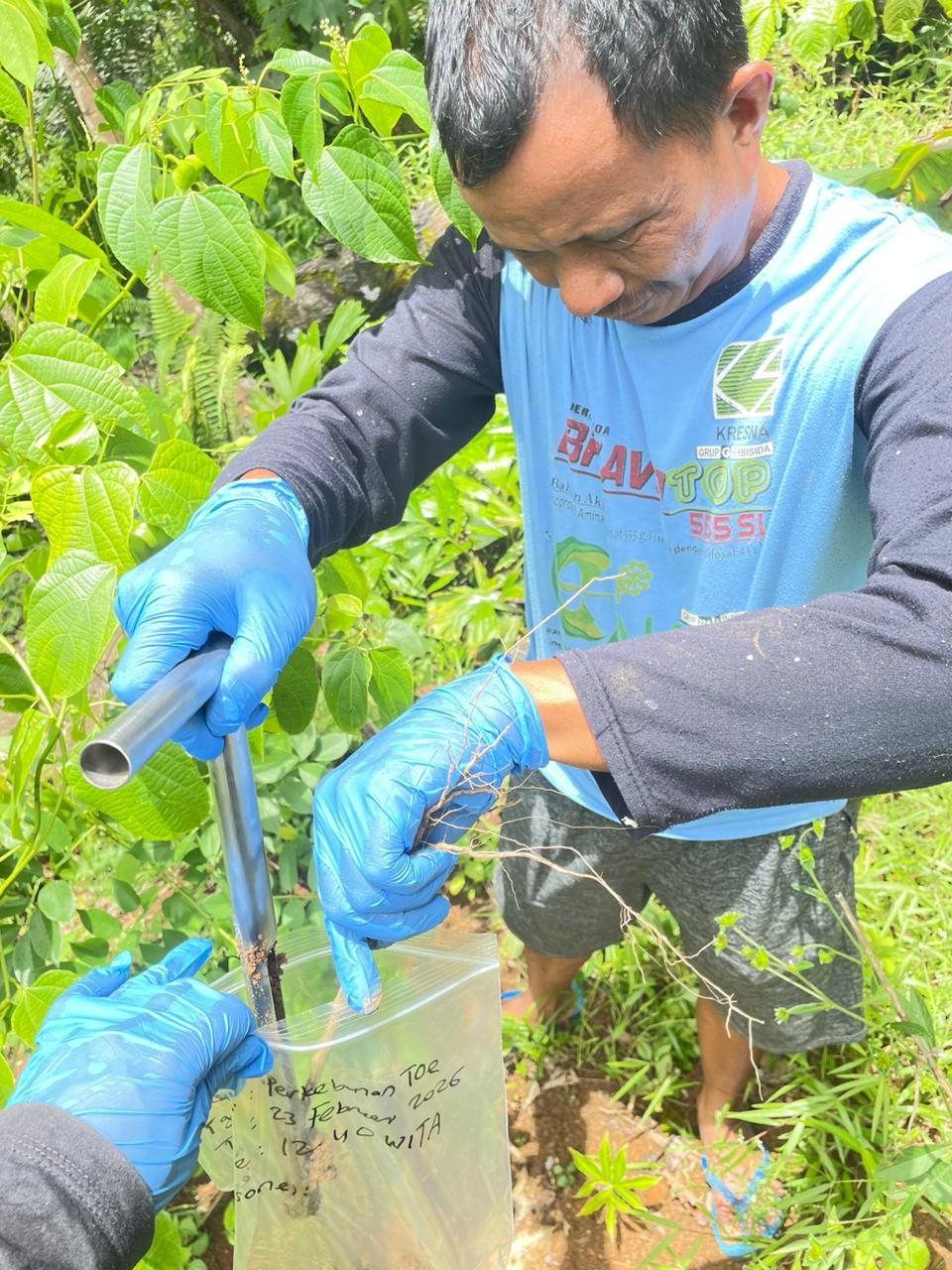
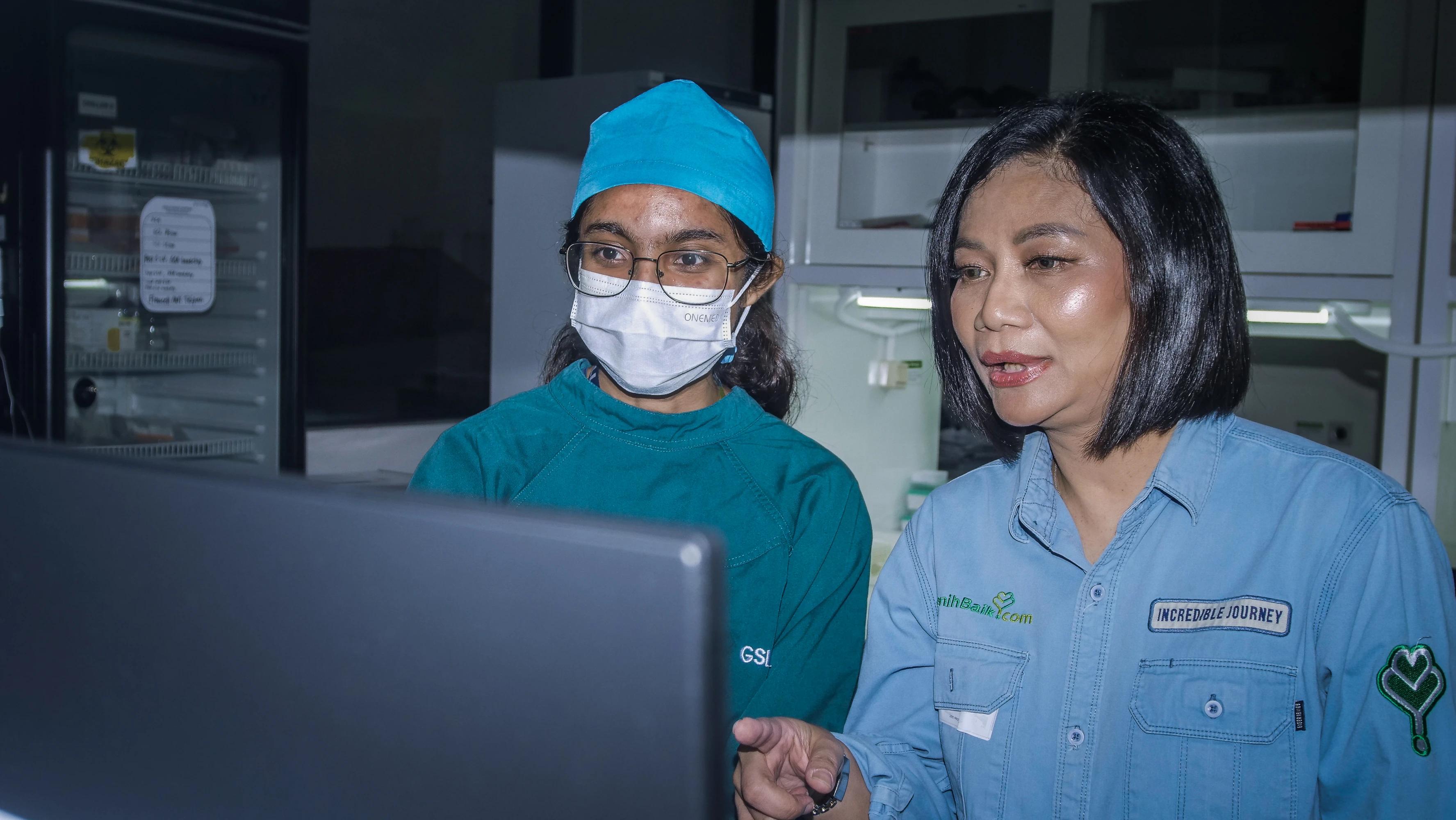
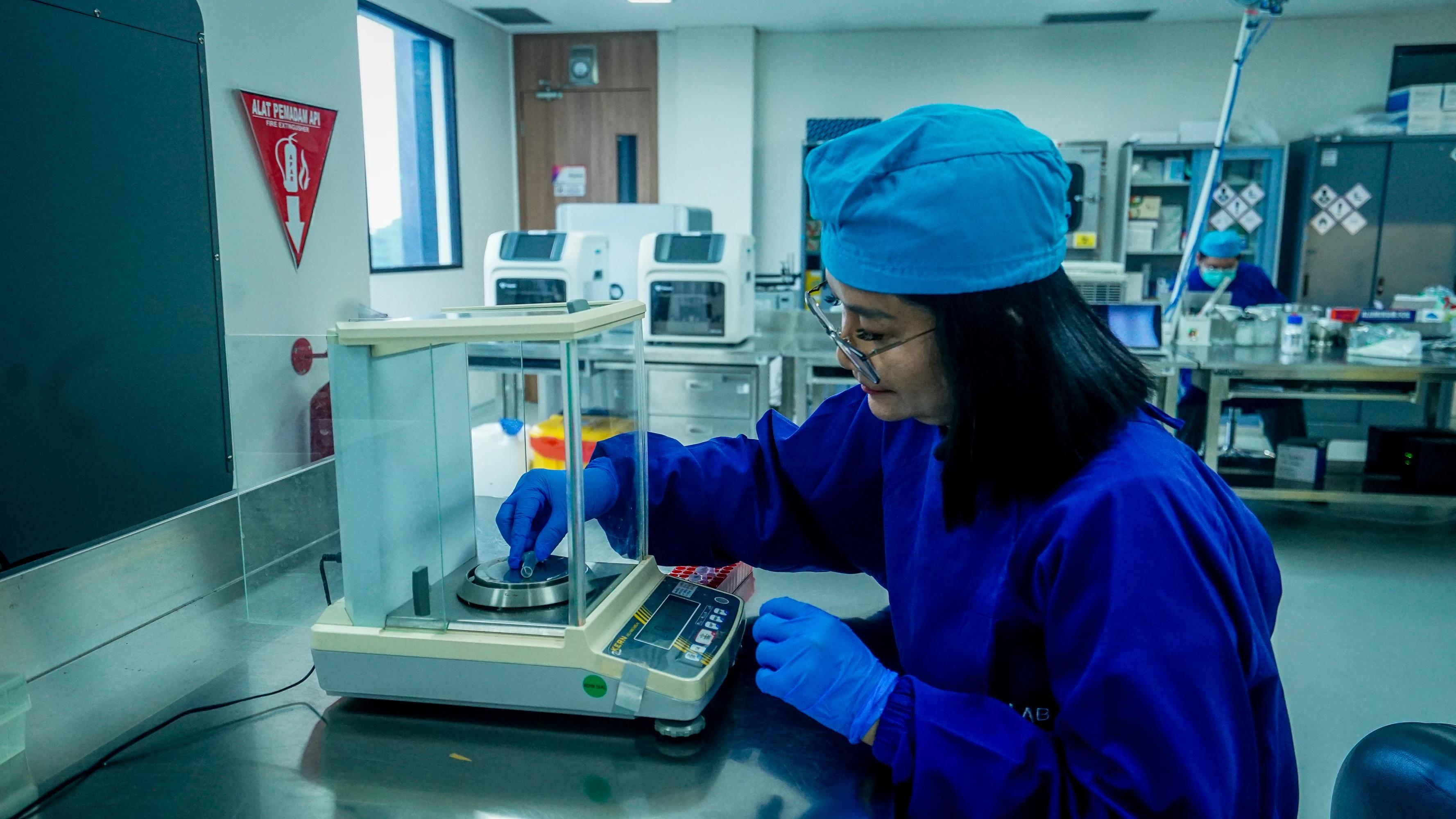
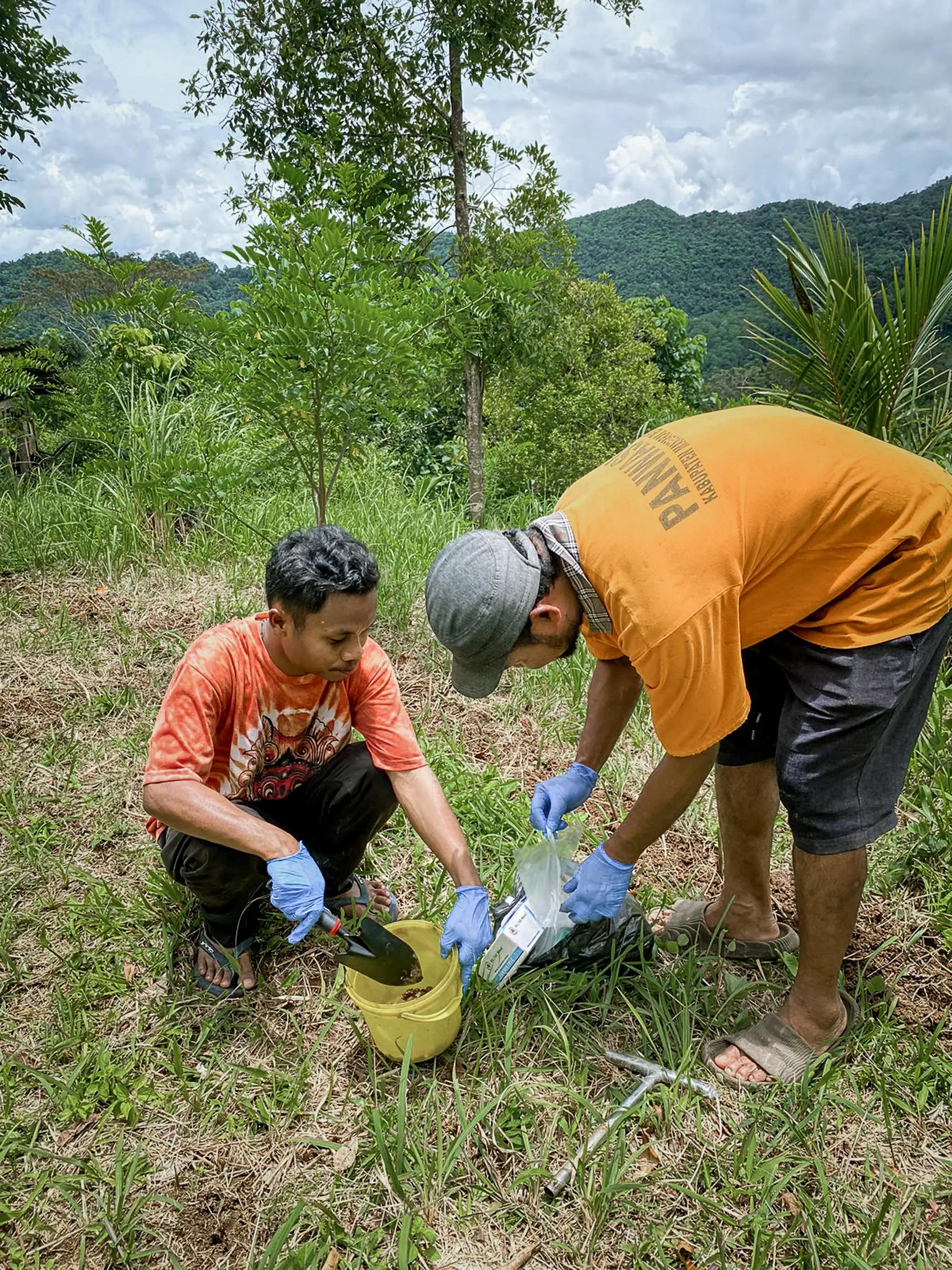
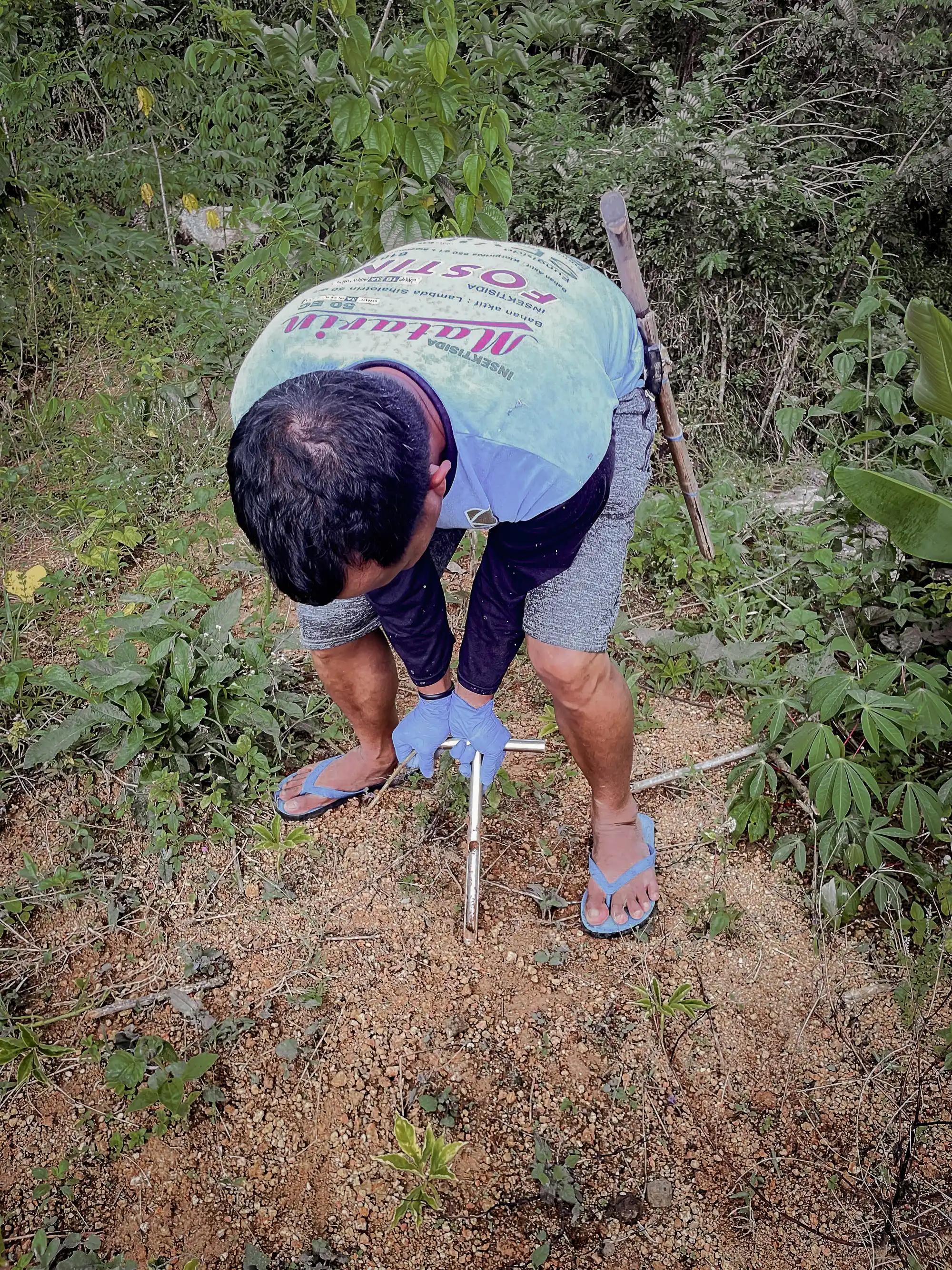
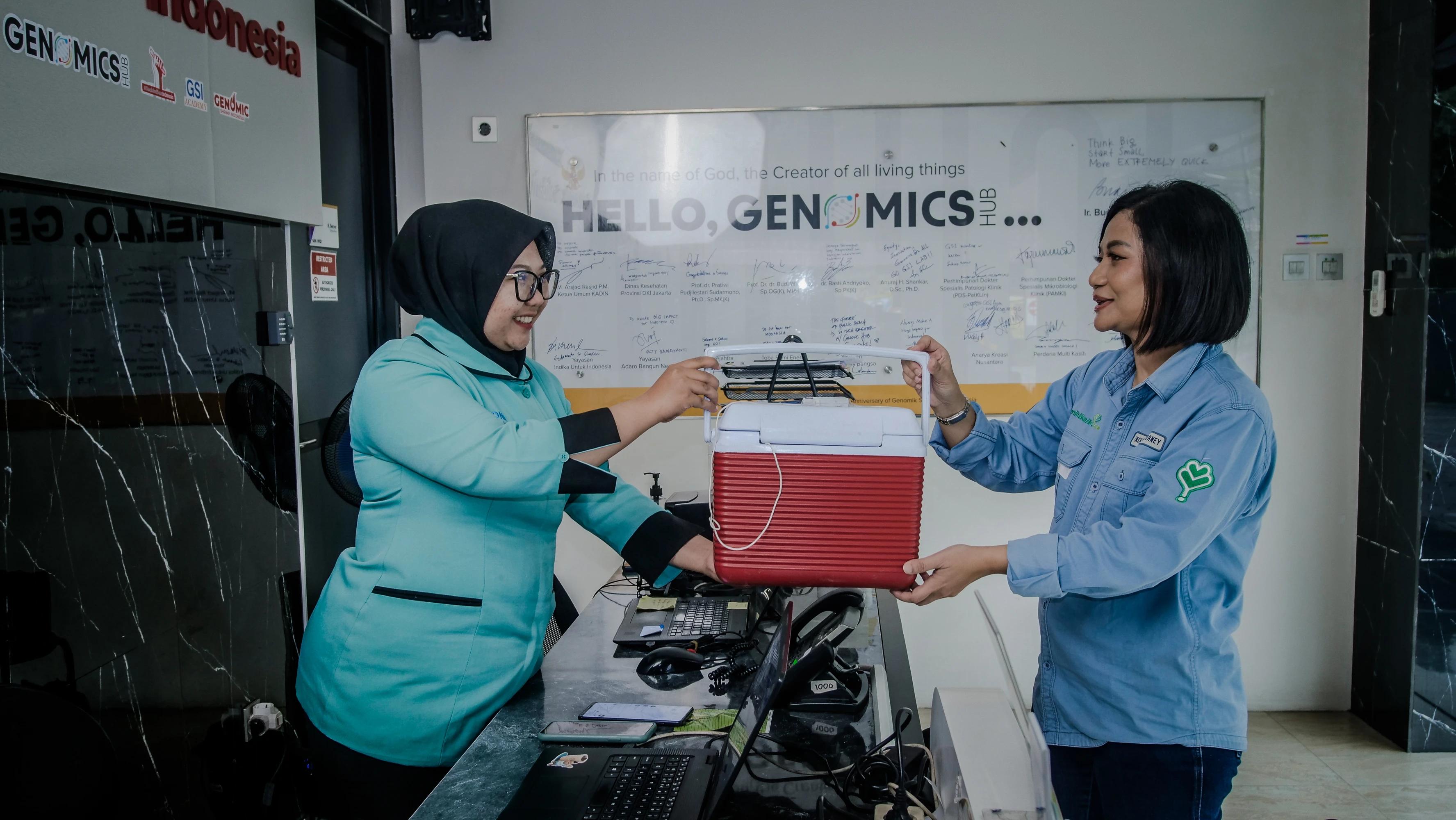
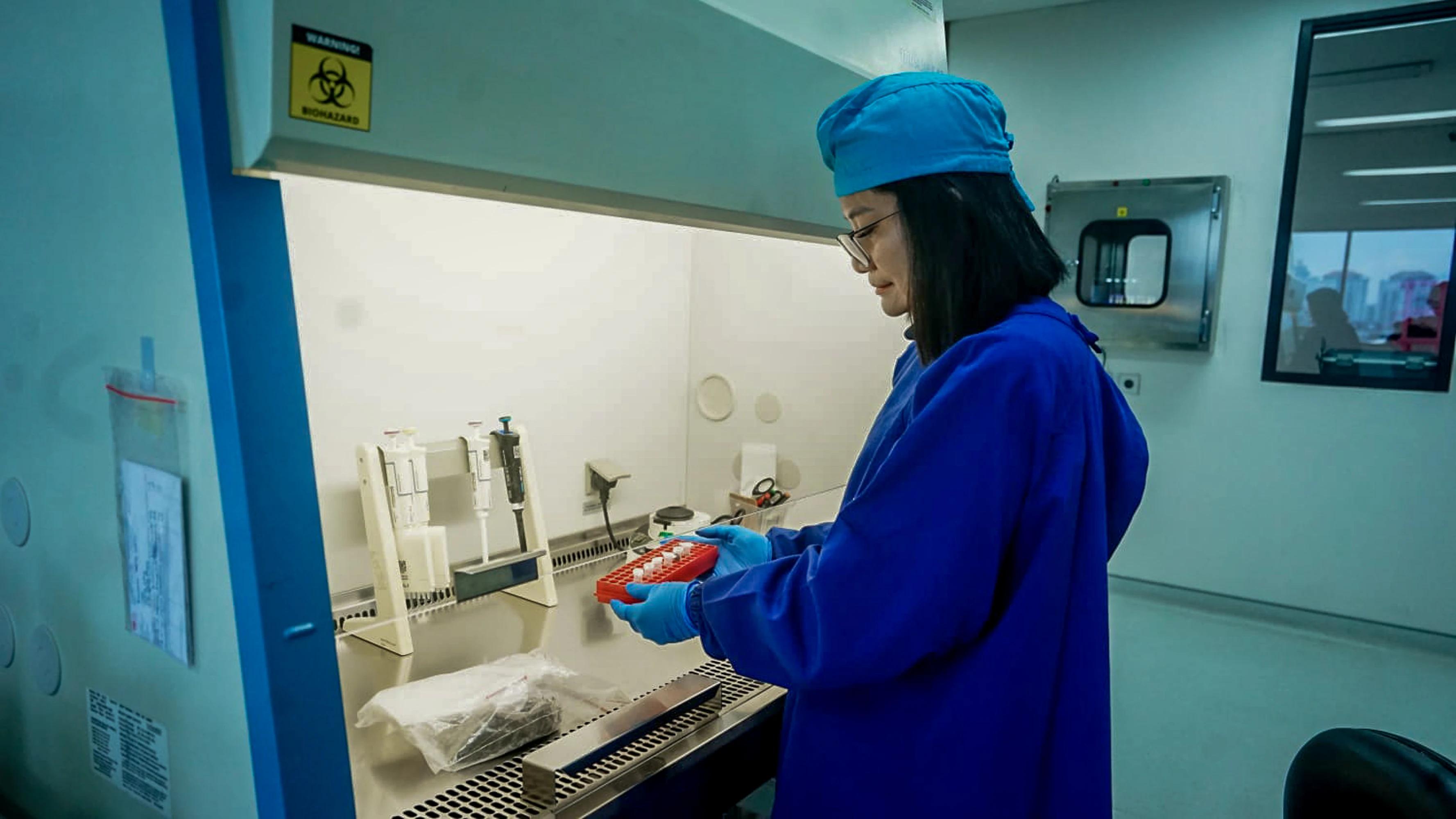
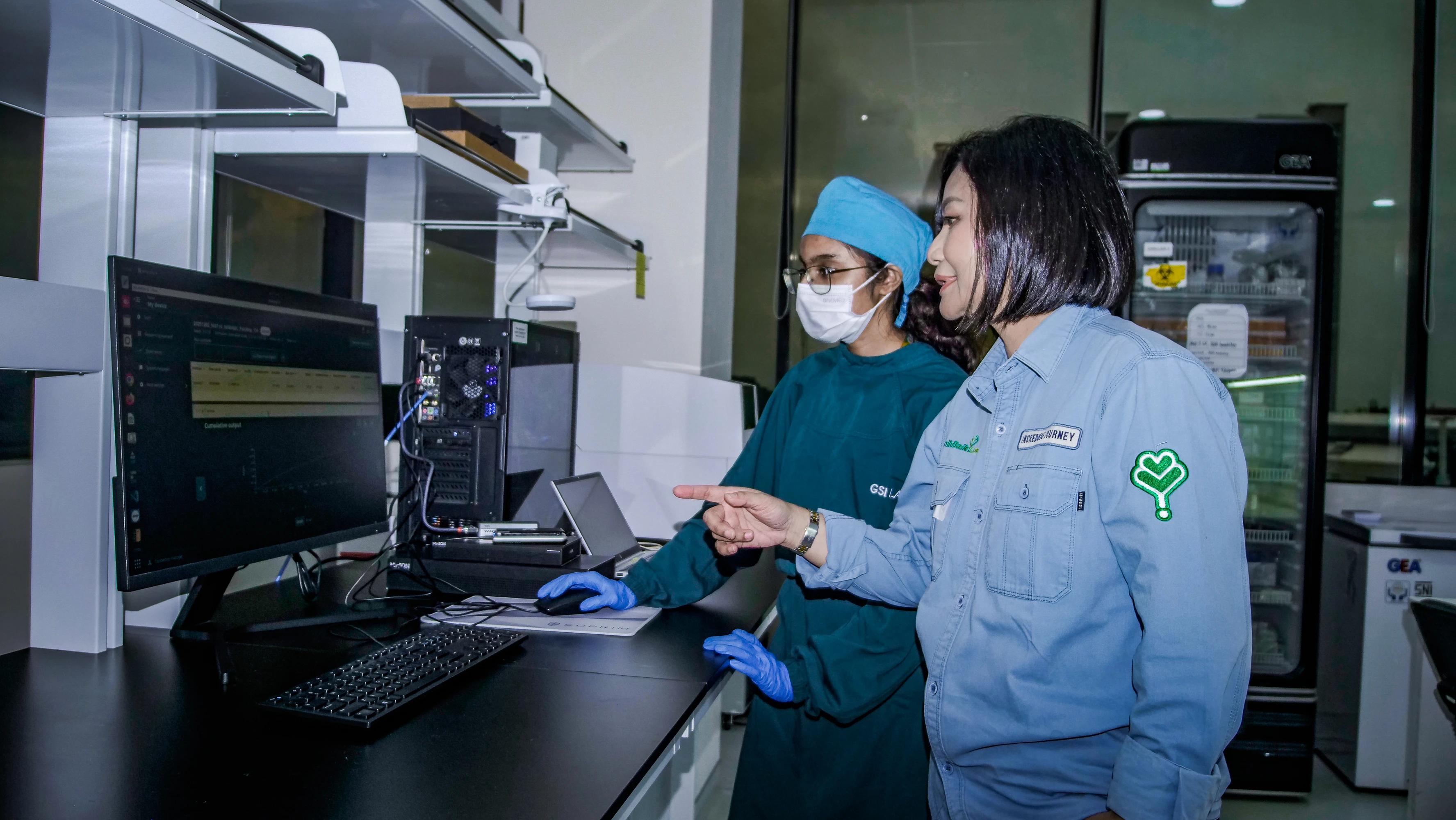
Following Sacha Inchi intercropping on maize farms, we collect and analyze soil samples to assess restoration progress on degraded land. Utilizing DNA metabarcoding, we examine soil microbes to unlock biodiversity insights and enhance farm resilience. Supported by an AI application, this data provides simple, practical guidance for farmers adopting regenerative practices.
March
Following Sacha Inchi intercropping on maize farms, we collect and analyze soil samples to assess restoration progress on degraded land. Utilizing DNA metabarcoding, we examine soil microbes to unlock biodiversity insights and enhance farm resilience. Supported by an AI application, this data provides simple, practical guidance for farmers adopting regenerative practices.
March
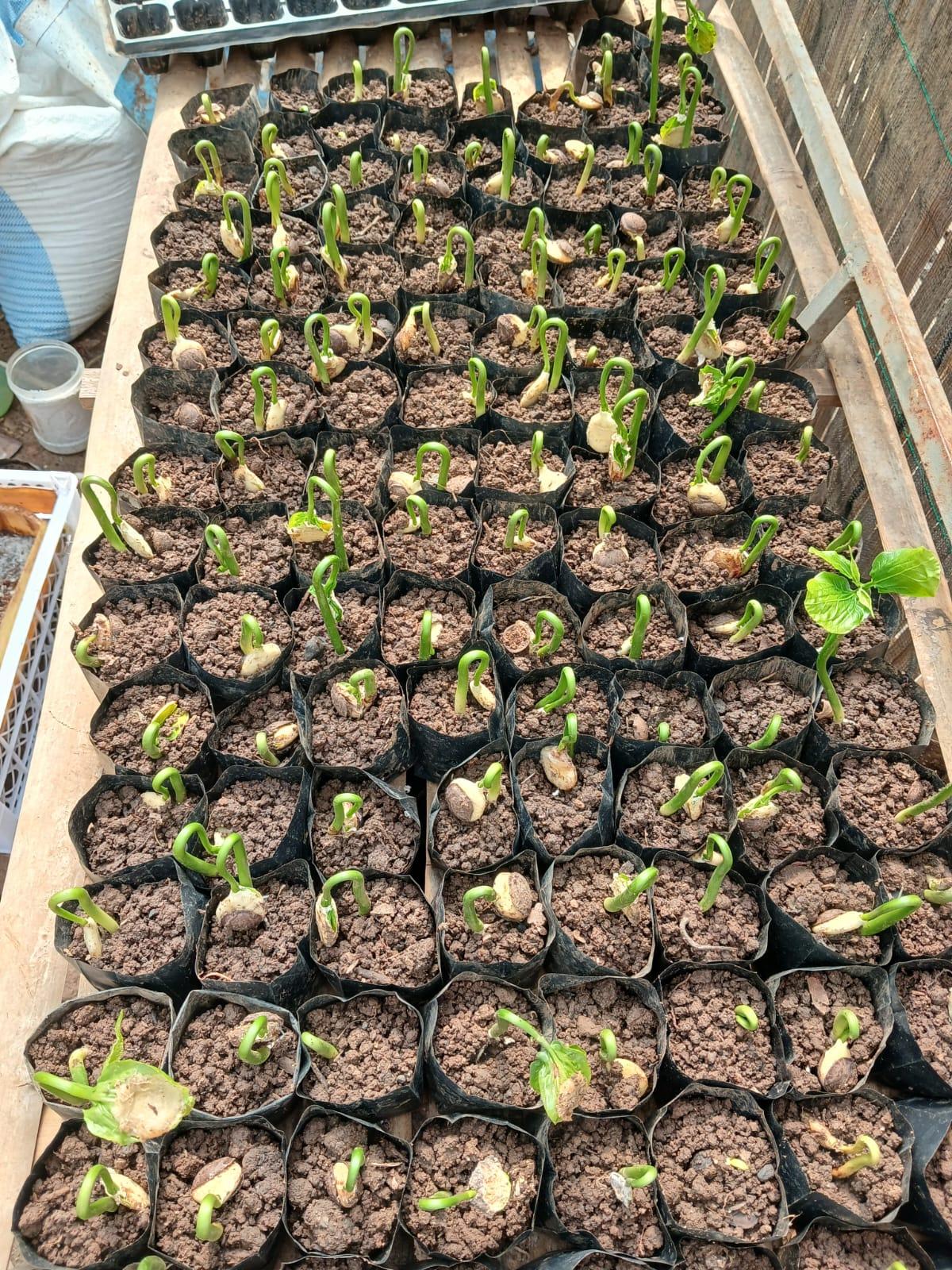
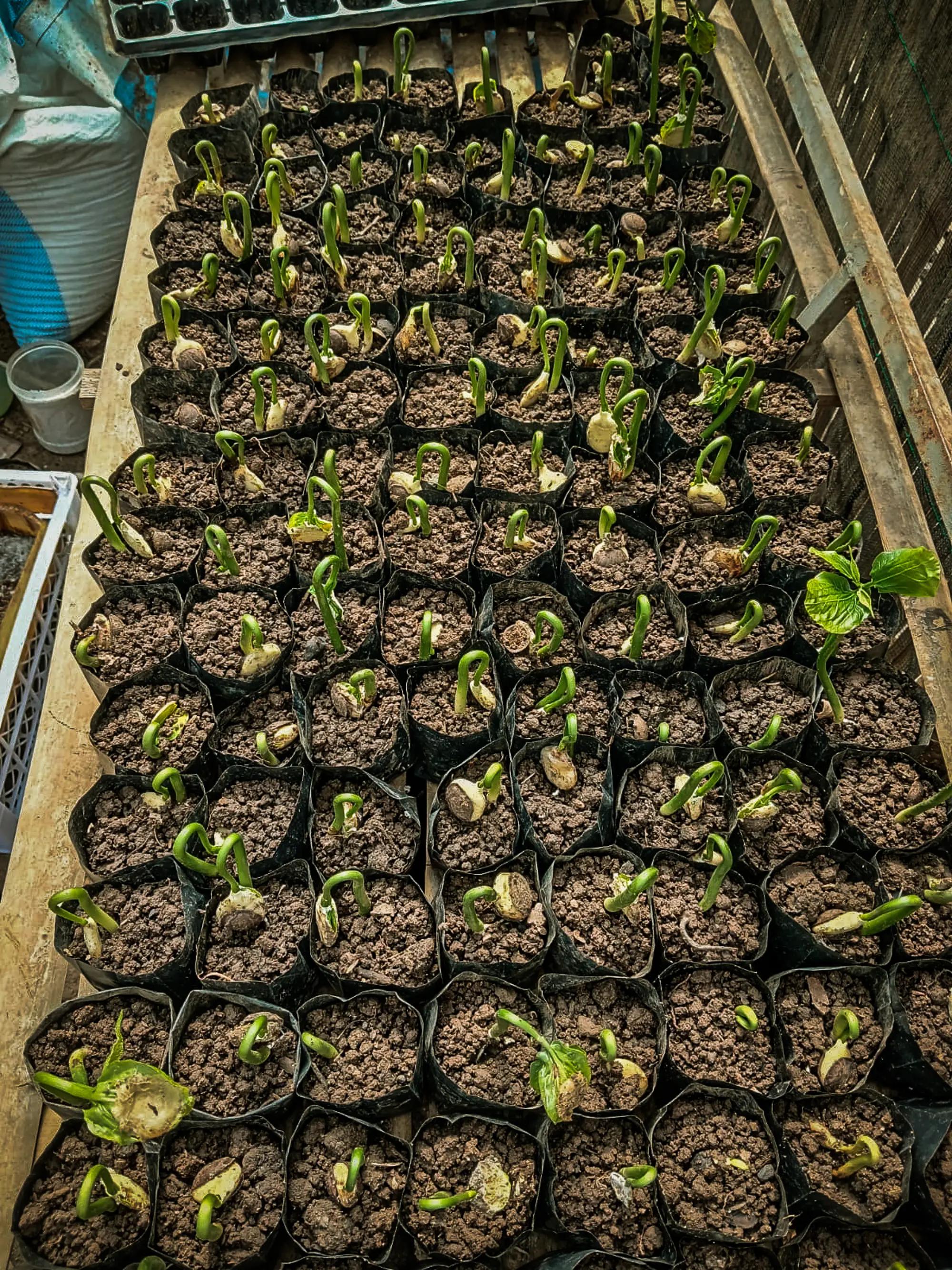
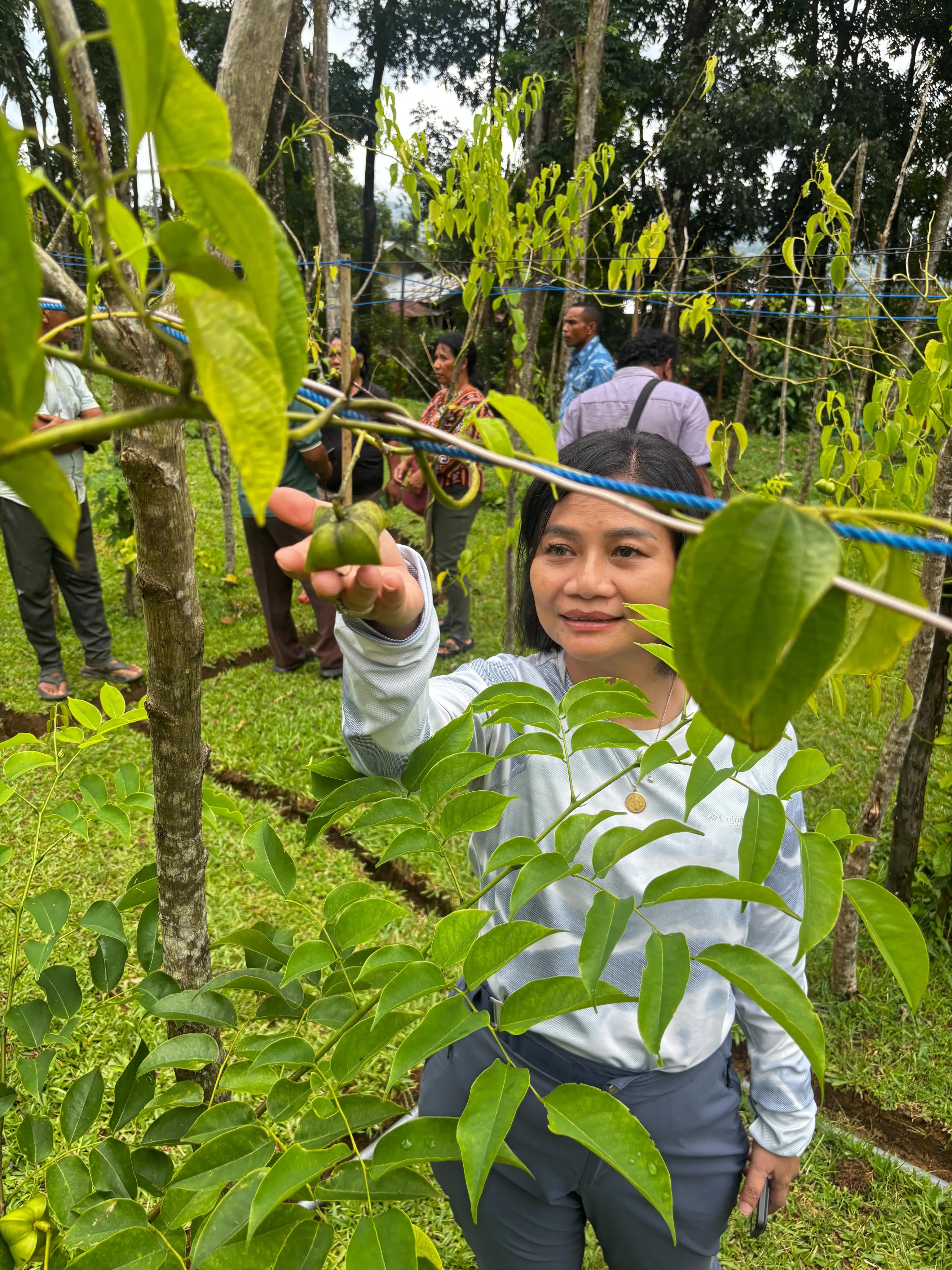
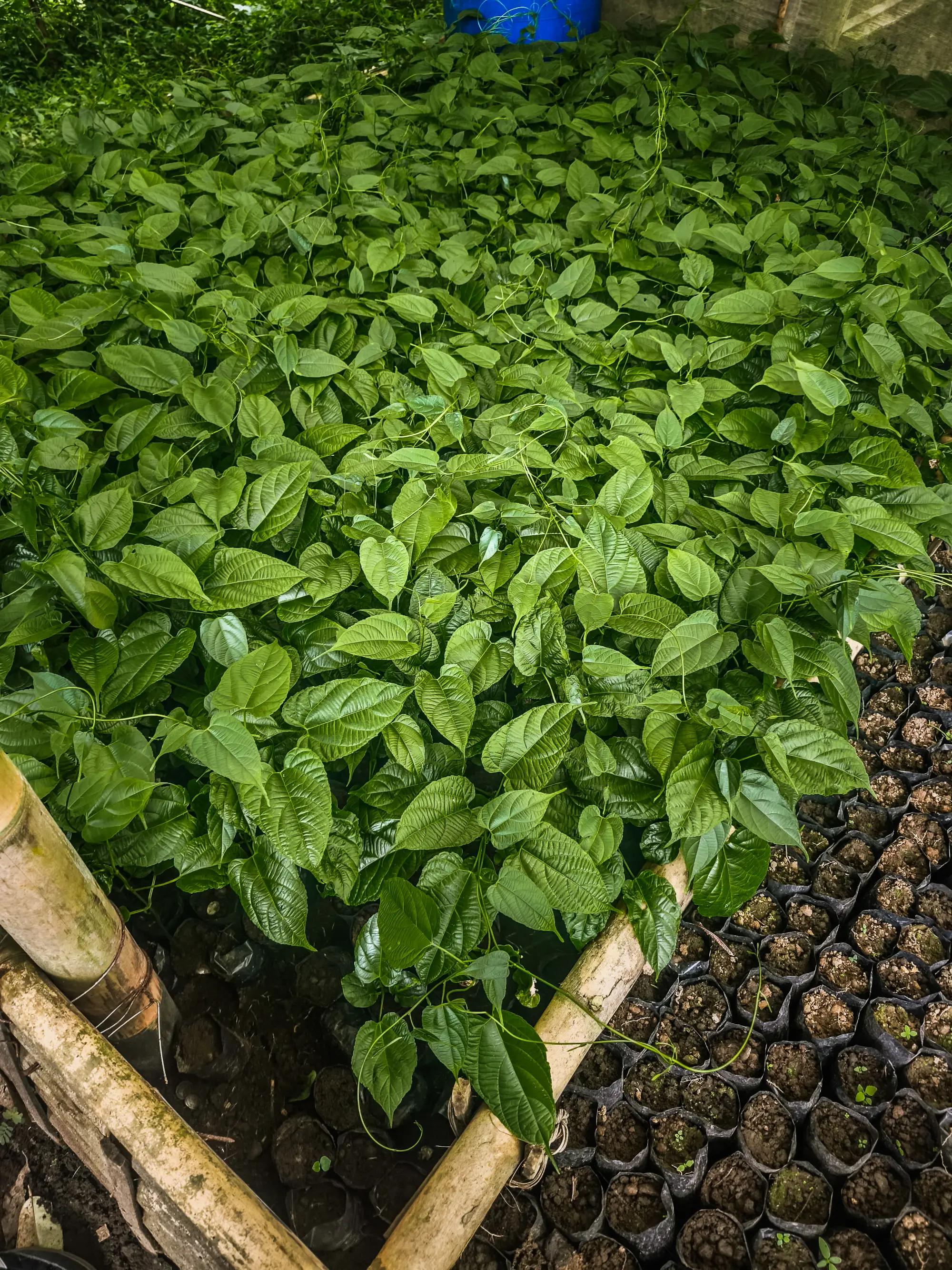
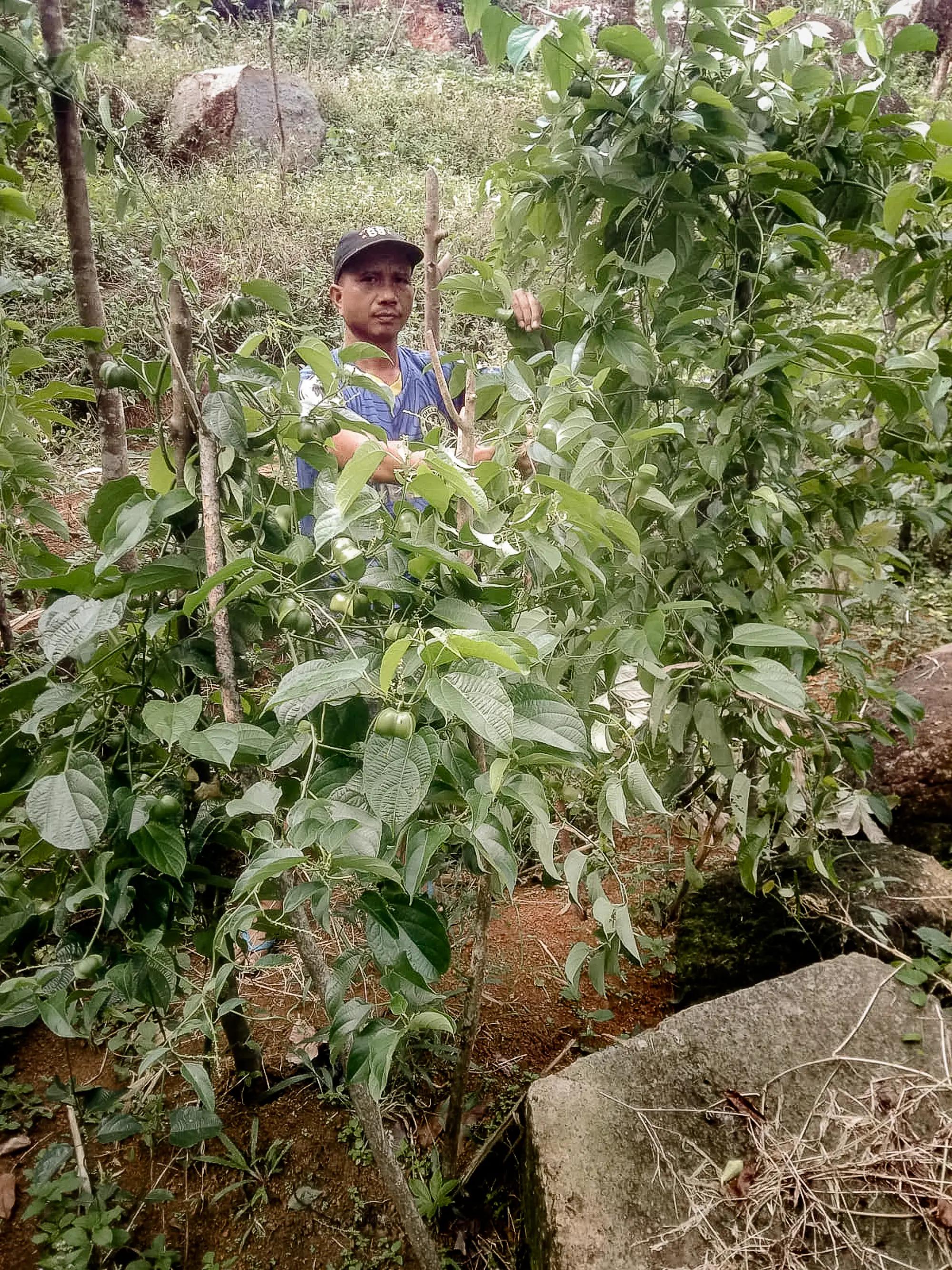
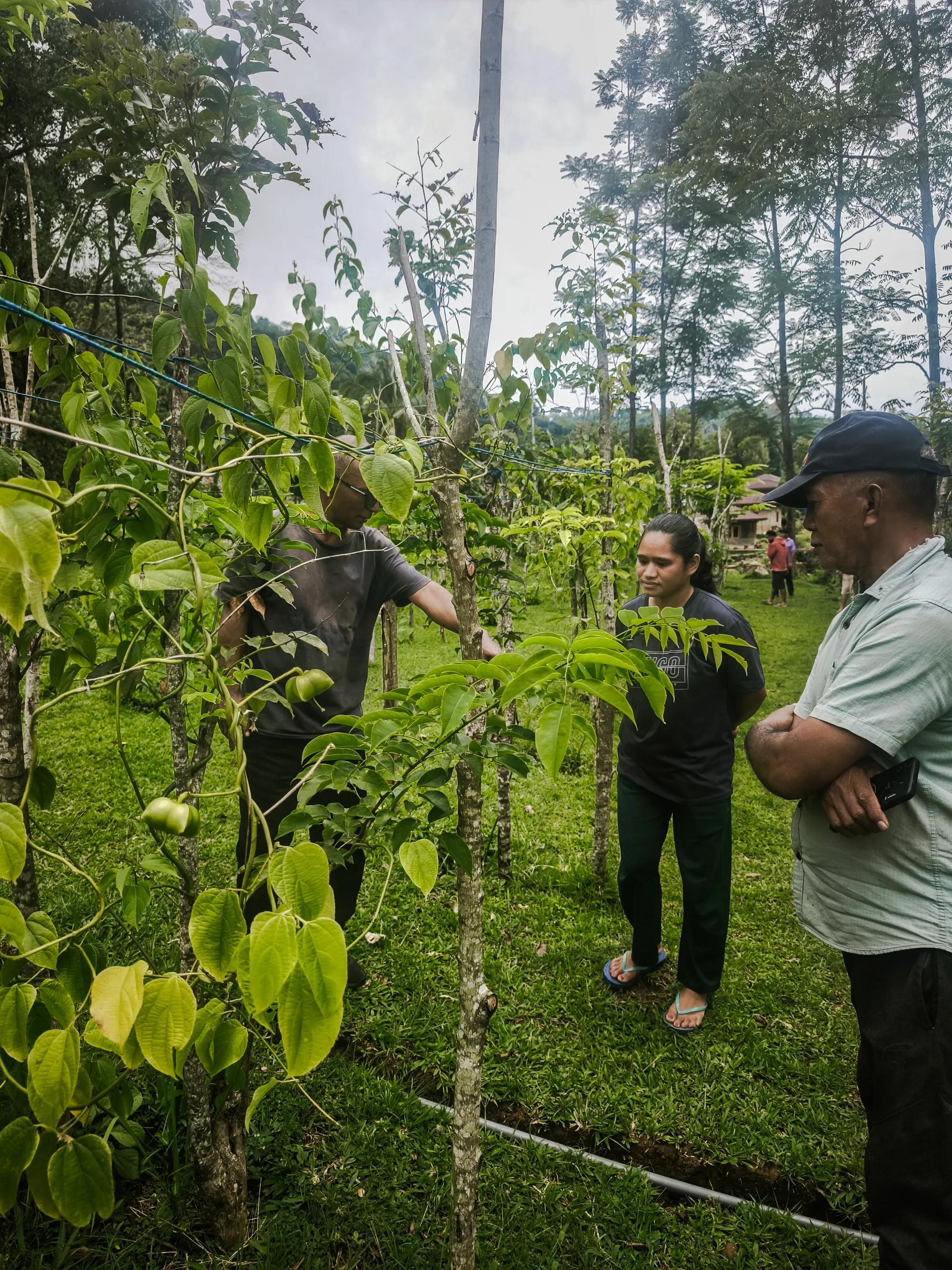
Local farmers in Waning Village plant omega-3-rich Sacha Inchi vines as a key regenerative crop on degraded soil. These vines naturally fix nitrogen, reduce pesticide needs, and help control erosion. This impactful multi-crop approach restores essential soil health while directly creating new sources of nutrition and income for small-scale farming families.
March
Local farmers in Waning Village plant omega-3-rich Sacha Inchi vines as a key regenerative crop on degraded soil. These vines naturally fix nitrogen, reduce pesticide needs, and help control erosion. This impactful multi-crop approach restores essential soil health while directly creating new sources of nutrition and income for small-scale farming families.
March
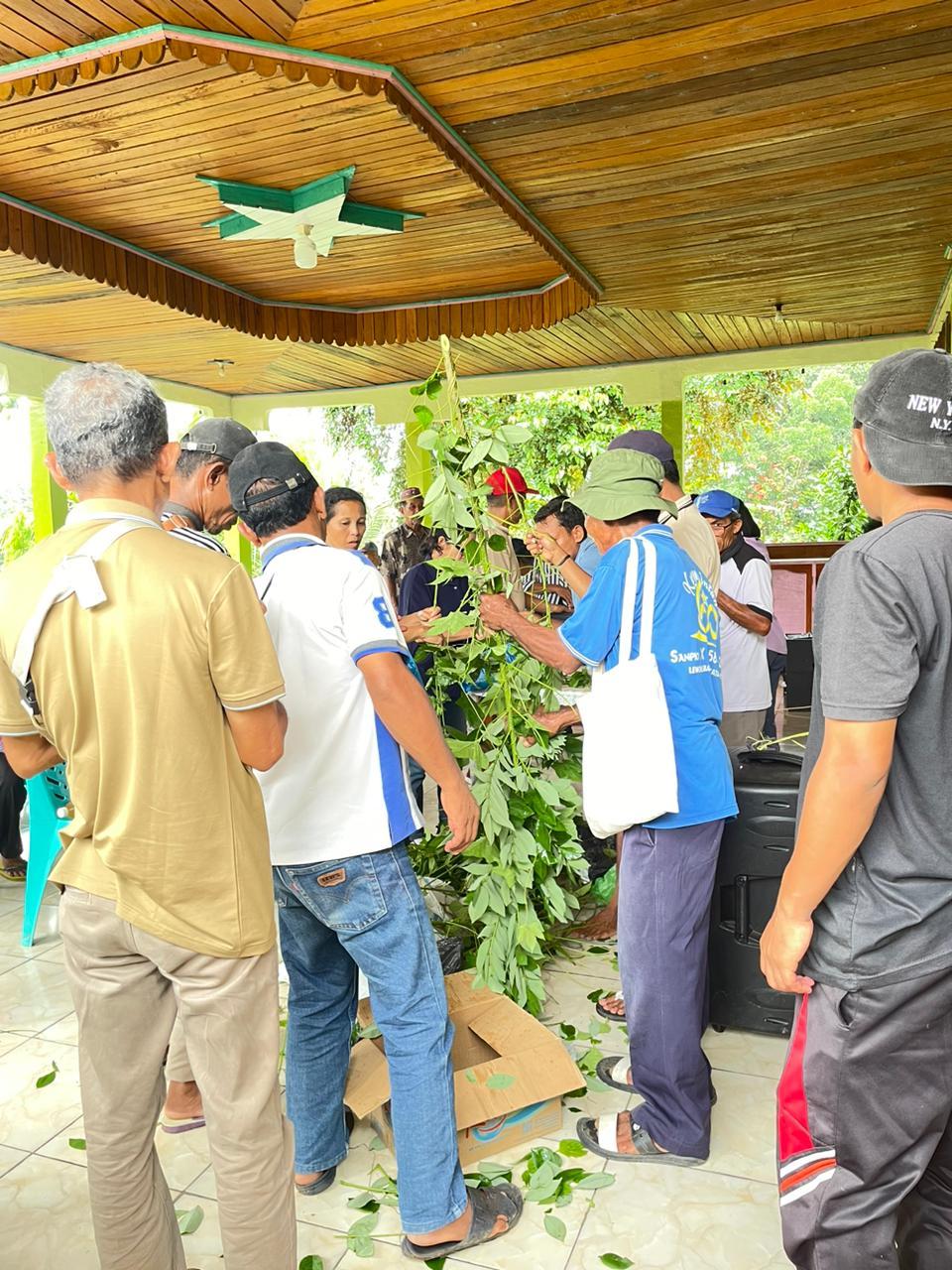
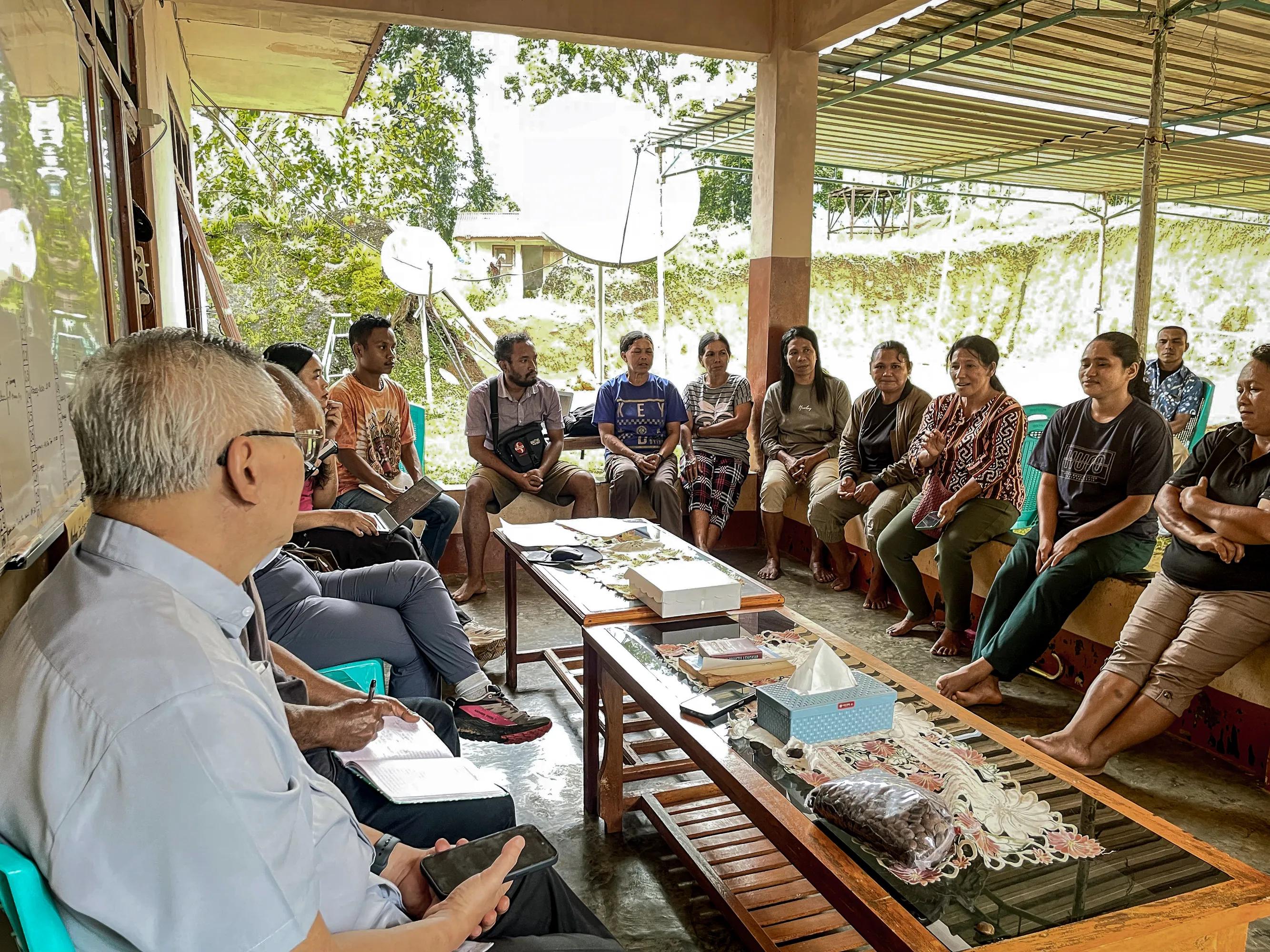
We provide vital workshop training for local farmers on producing multifuctional Eco Enzyme using the JADAM method. Produced independently through a simple fermentation of fruit waste, this powerful organic solution reduces reliance on costly chemicals. Its application directly improves soil fertility and promotes long-term environmentally friendly and regenerative agricultural practices across the community.
March
We provide vital workshop training for local farmers on producing multifuctional Eco Enzyme using the JADAM method. Produced independently through a simple fermentation of fruit waste, this powerful organic solution reduces reliance on costly chemicals. Its application directly improves soil fertility and promotes long-term environmentally friendly and regenerative agricultural practices across the community.
To be announced
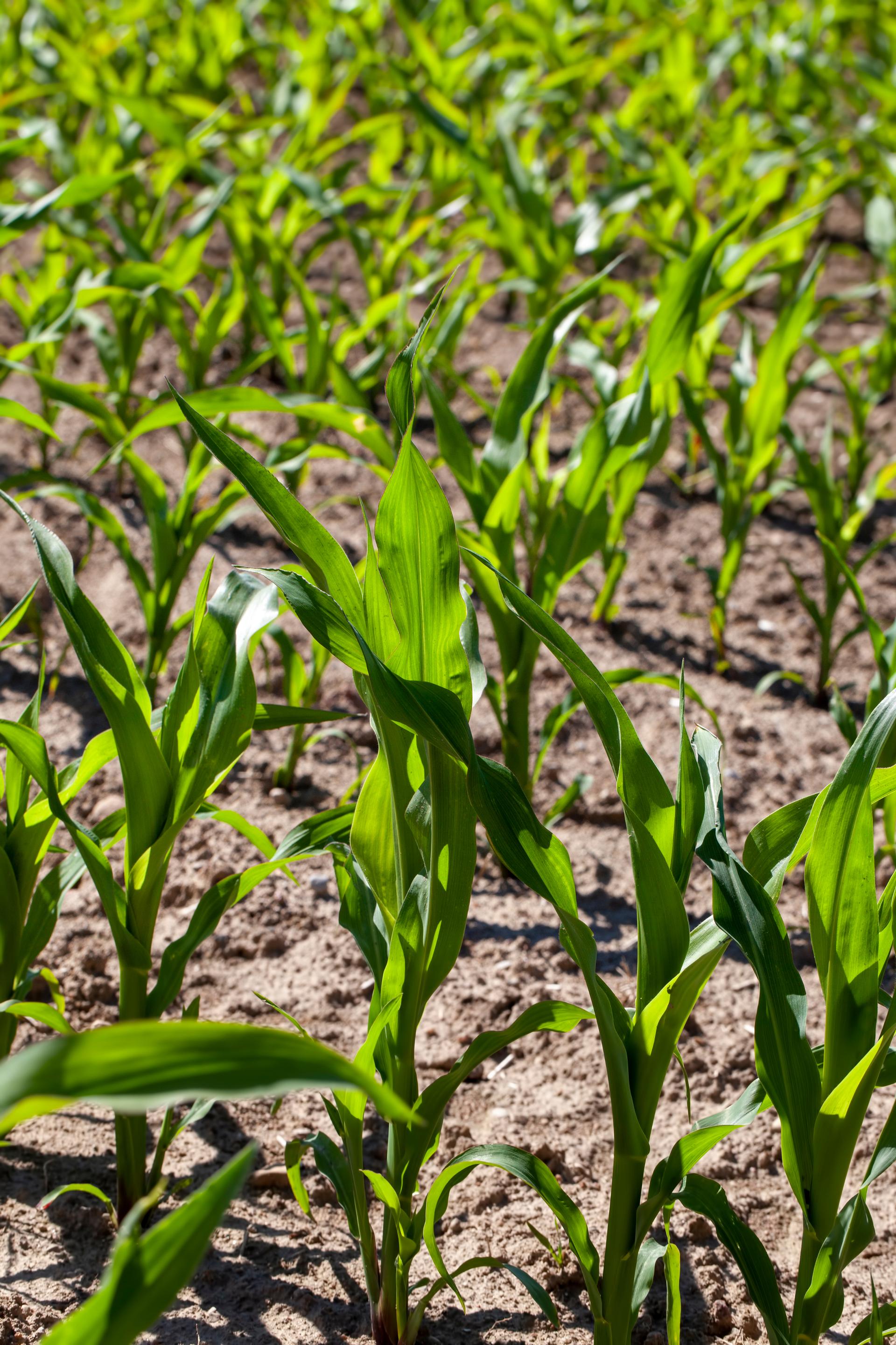
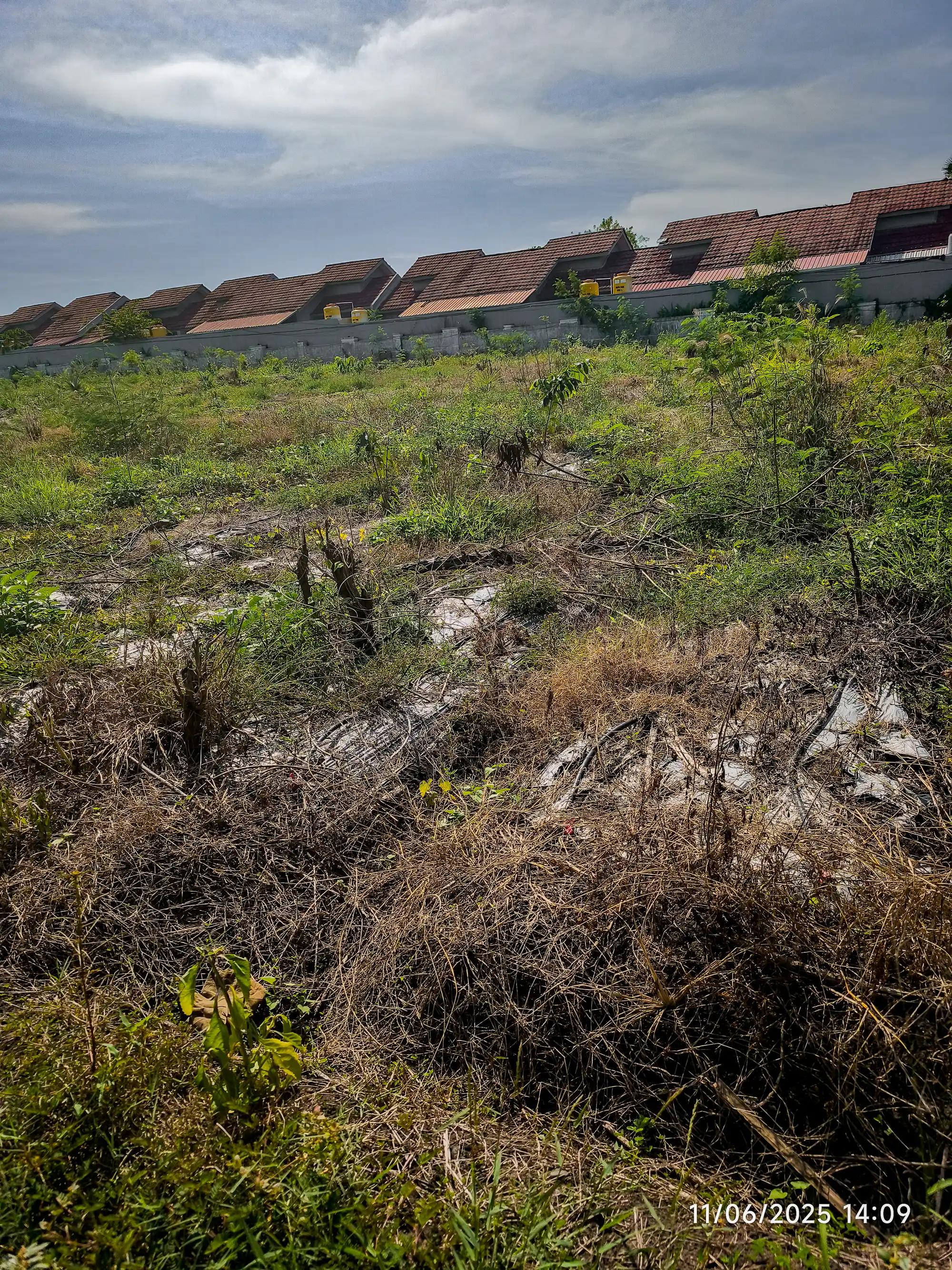
As part of the regenerative agriculture approach, intercropping practices are introduced and implemented across program sites. This method integrates multiple crops—such as Sacha Inchi, maize, and other local commodities—within the same area to optimize land use and improve overall farm productivity.
To be announced
As part of the regenerative agriculture approach, intercropping practices are introduced and implemented across program sites. This method integrates multiple crops—such as Sacha Inchi, maize, and other local commodities—within the same area to optimize land use and improve overall farm productivity.
To be announced
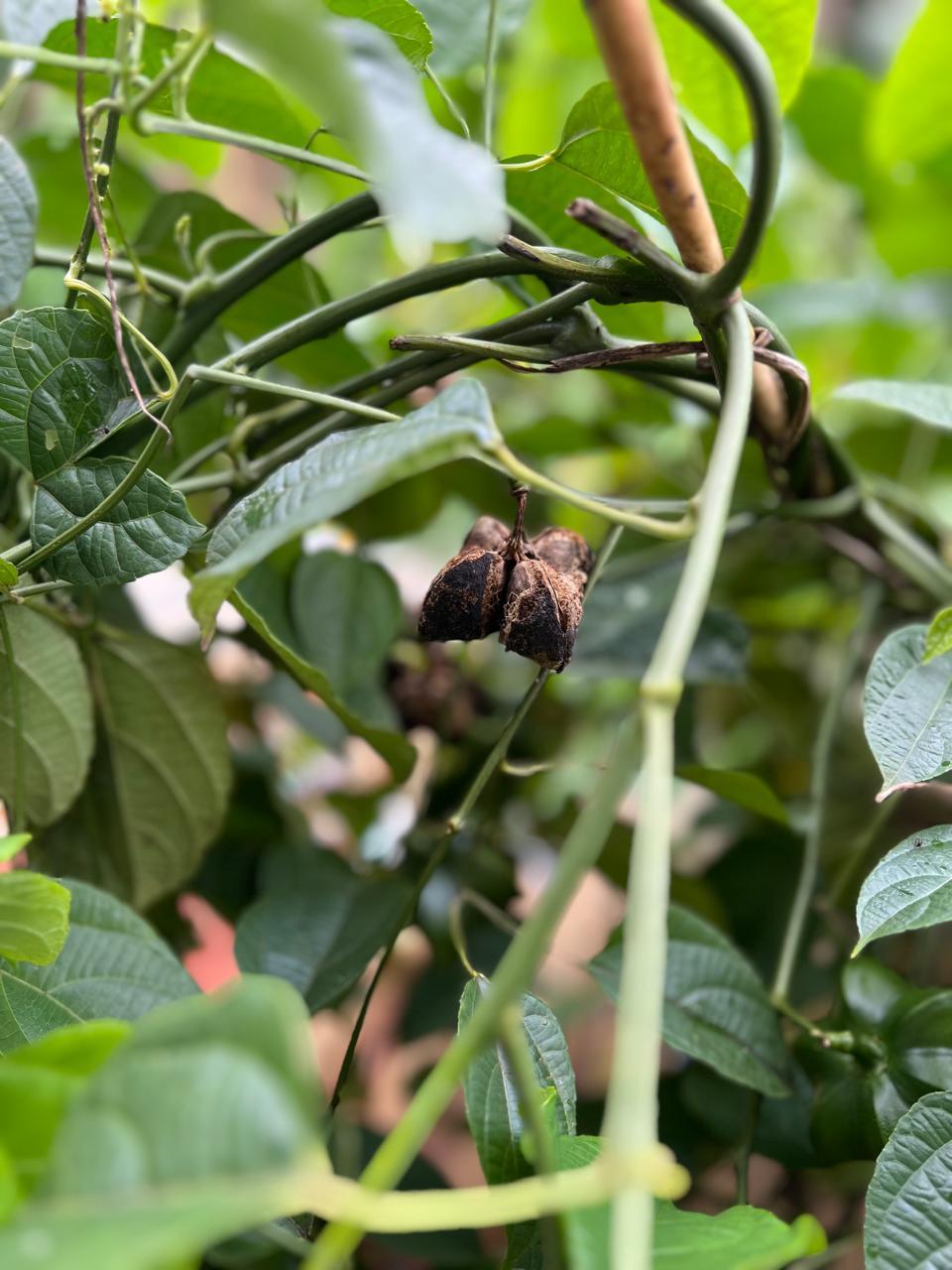
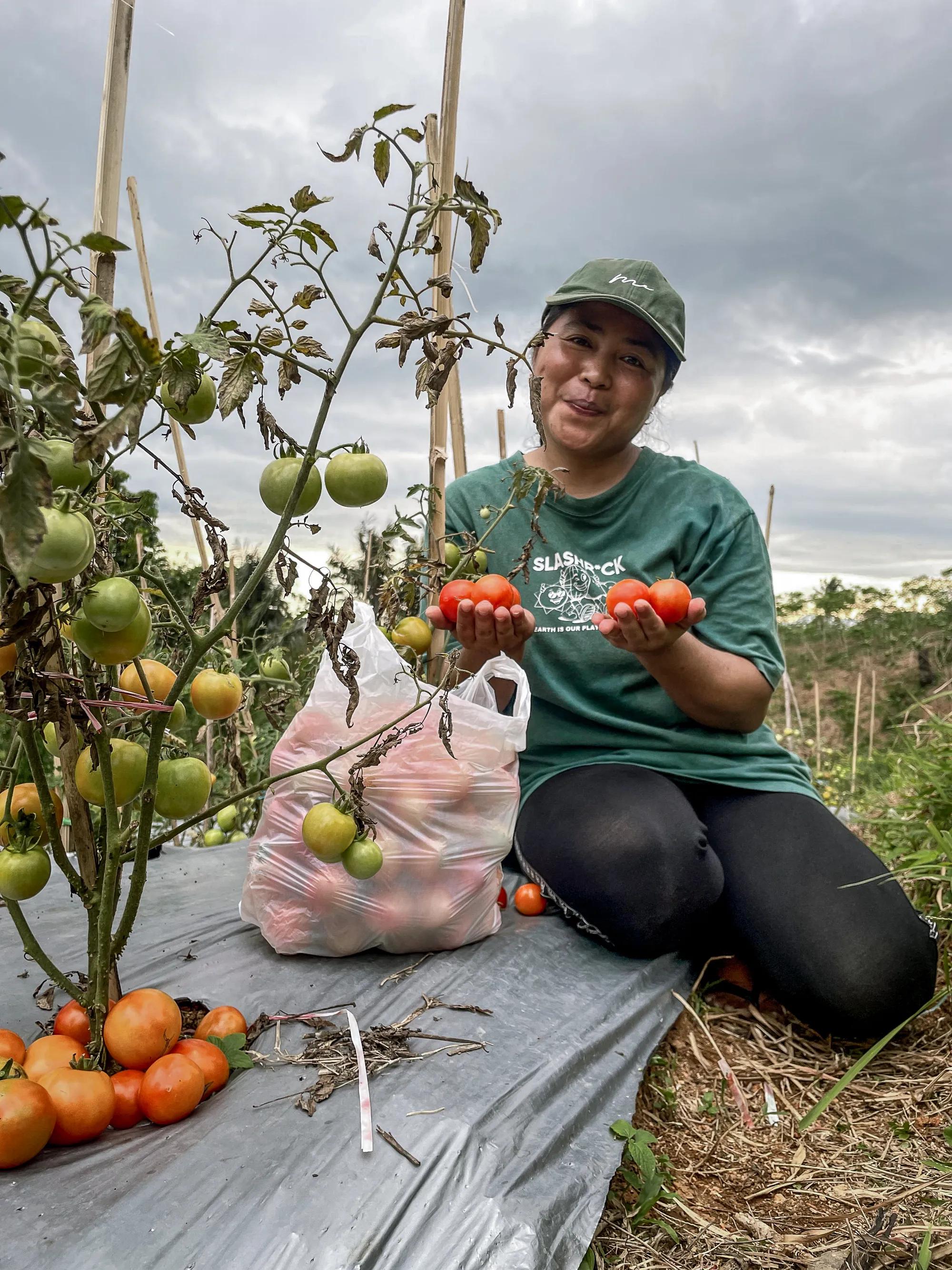
Harvesting marks an important stage in the program, where farmers begin to see the tangible results of regenerative farming practices. Crops such as Sacha Inchi, maize, and other intercrops are carefully harvested to ensure optimal quality and yield.
To be announced
Harvesting marks an important stage in the program, where farmers begin to see the tangible results of regenerative farming practices. Crops such as Sacha Inchi, maize, and other intercrops are carefully harvested to ensure optimal quality and yield.
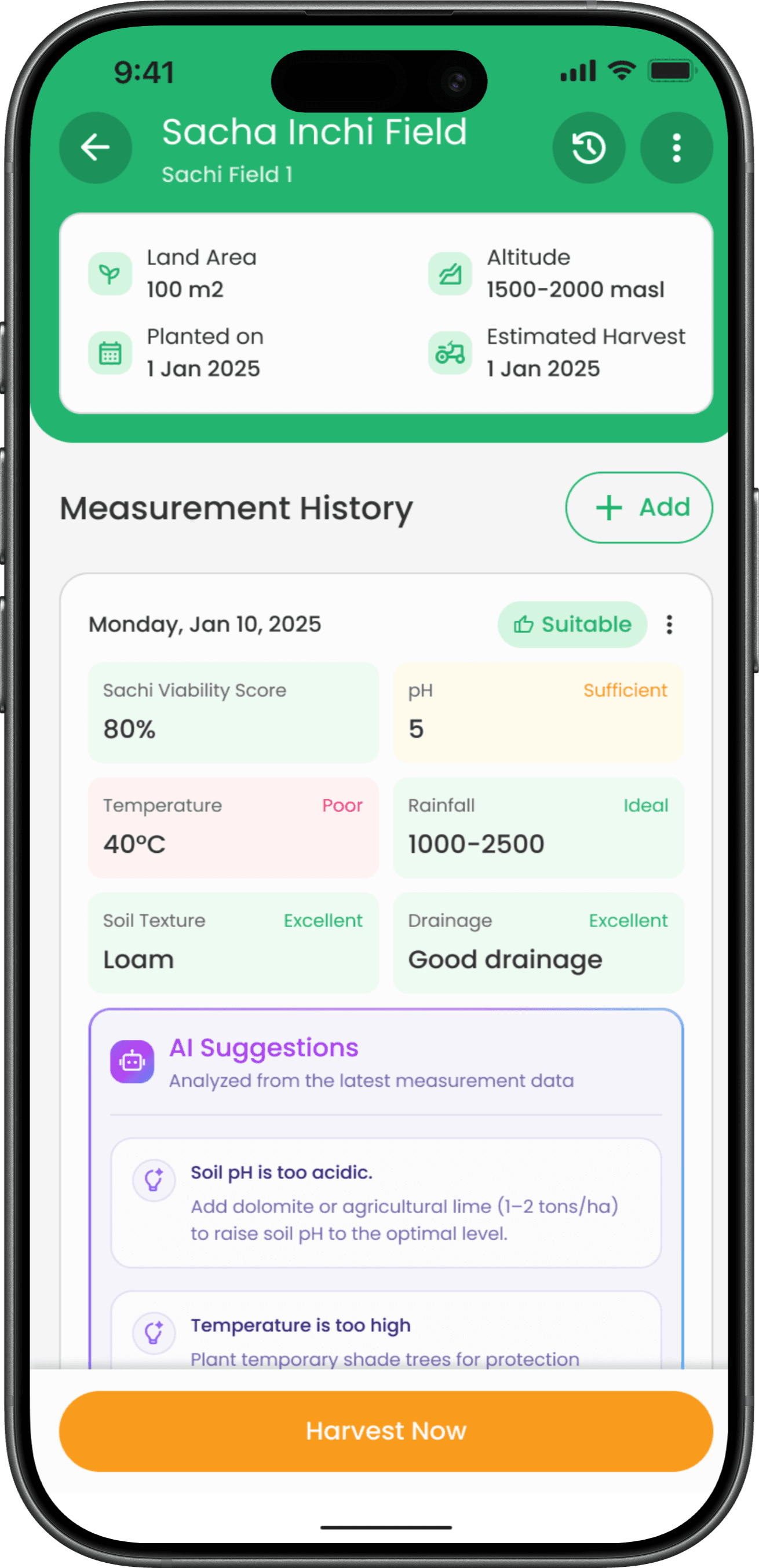
Optimize your yields with data-driven technology that helps determine land viability, the best planting time, and precise improvement steps—all in one app.
See our latest press features and stories of change from the field
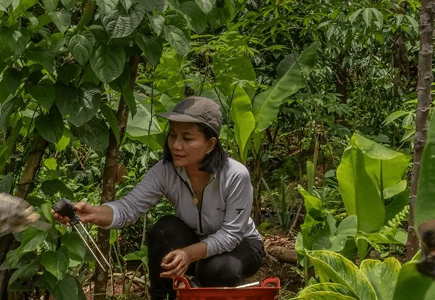

In a world where leadership is evolving at lightning speed, visionary women are redefining what it means to lead with purpose, integrity, and lasting impact.
Our cover story features Priti Bhattarai, CEO of Perennial & Guiding Force at Hyakusho Enterprises, whose Leadership 3.0 framework nurtures trust, reflection, and relationships as the foundation of systemic change. Priti’s philosophy: leadership is a long arc—grown deliberately, nurtured patiently, and measured by impact over time.
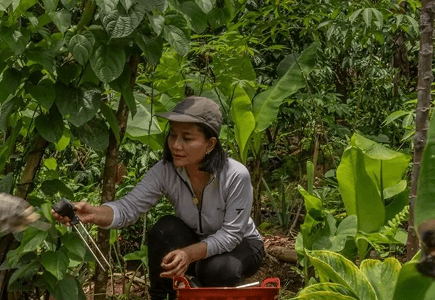

Di tengah percepatan transformasi digital dan meningkatnya perhatian dunia terhadap keberlanjutan, Al Greeny S. Dewayanti menghadirkan perjalanan kepemimpinan yang mencerminkan perubahan arah baru dunia bisnis Indonesia — dari ekonomi digital menuju pembangunan berkelanjutan berbasis teknologi dan pemberdayaan masyarakat.
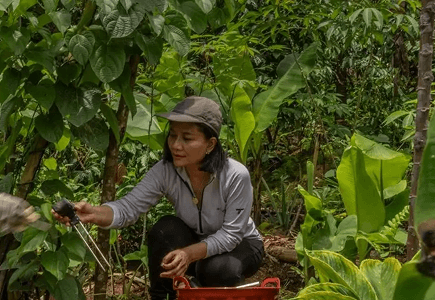

Salah satu program yang menjadi perhatian adalah LIFE atau Land Innovation for Food and Empowerment, proyek pertanian regeneratif berbasis AI di Labuan Bajo, Nusa Tenggara Timur
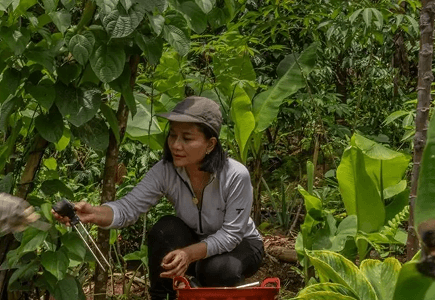

Perkembangan kecerdasan buatan atau Artificial Intelligence (AI) selama beberapa tahun terakhir kerap dikaitkan dengan otomatisasi industri, efisiensi operasional, dan transformasi model bisnis.
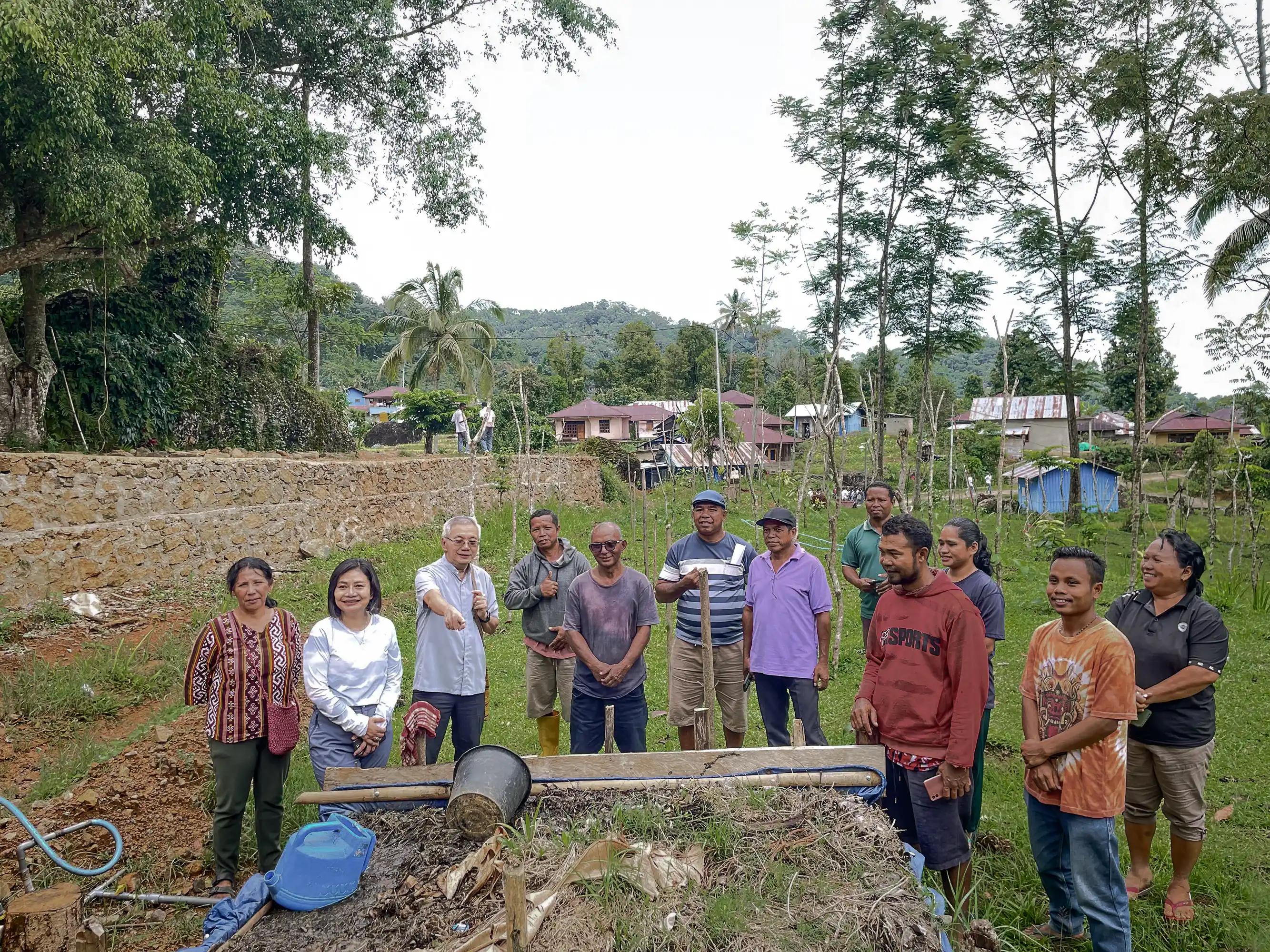
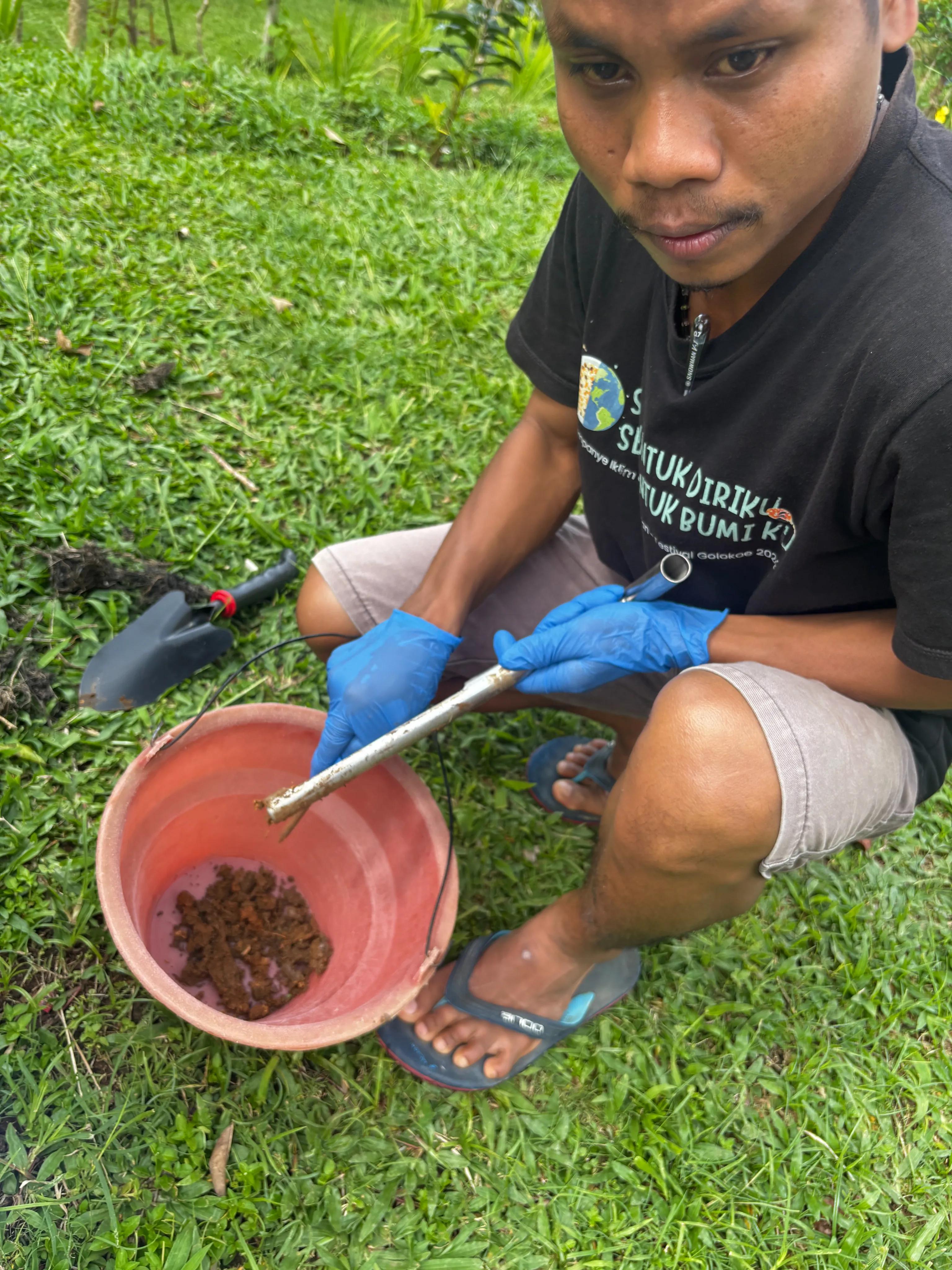

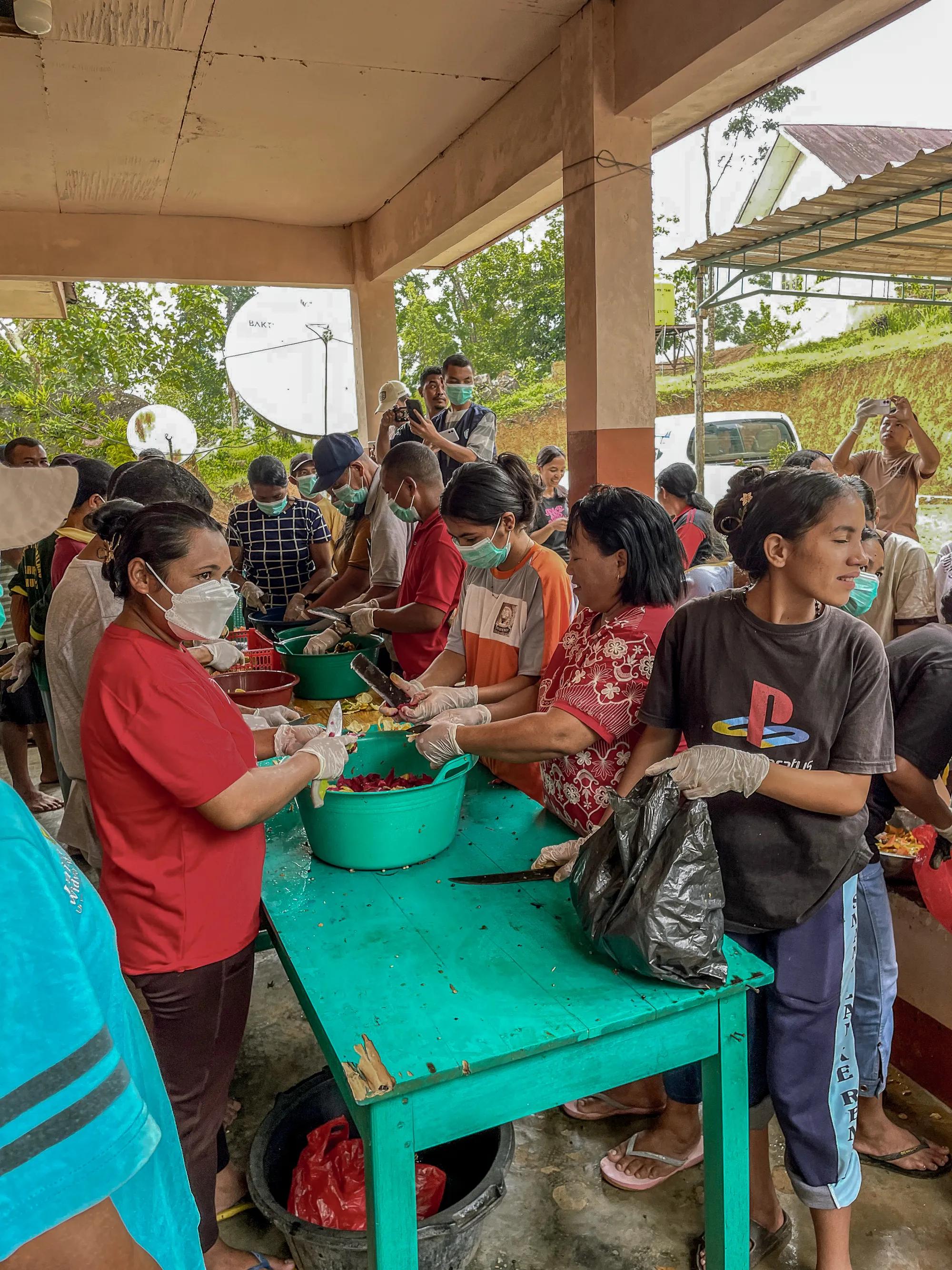
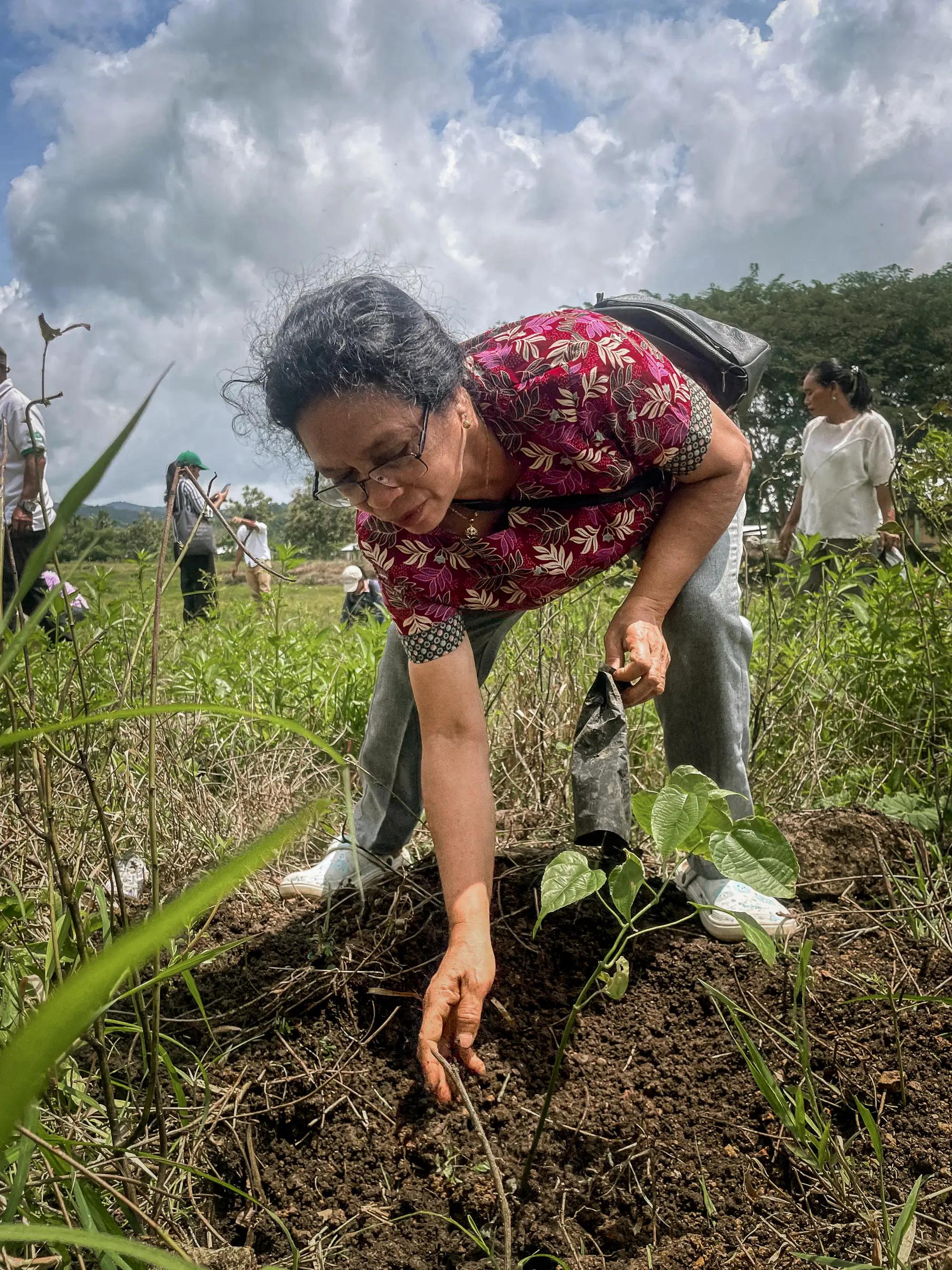

Together, we are restoring soil, empowering farmers, and building a more resilient food system. Be part of this journey and continue supporting a future rooted in sustainable agriculture.